

Sustainability
5 Simple Ways Households Can Reduce Waste and Keep Communities Clean
Jospong Group
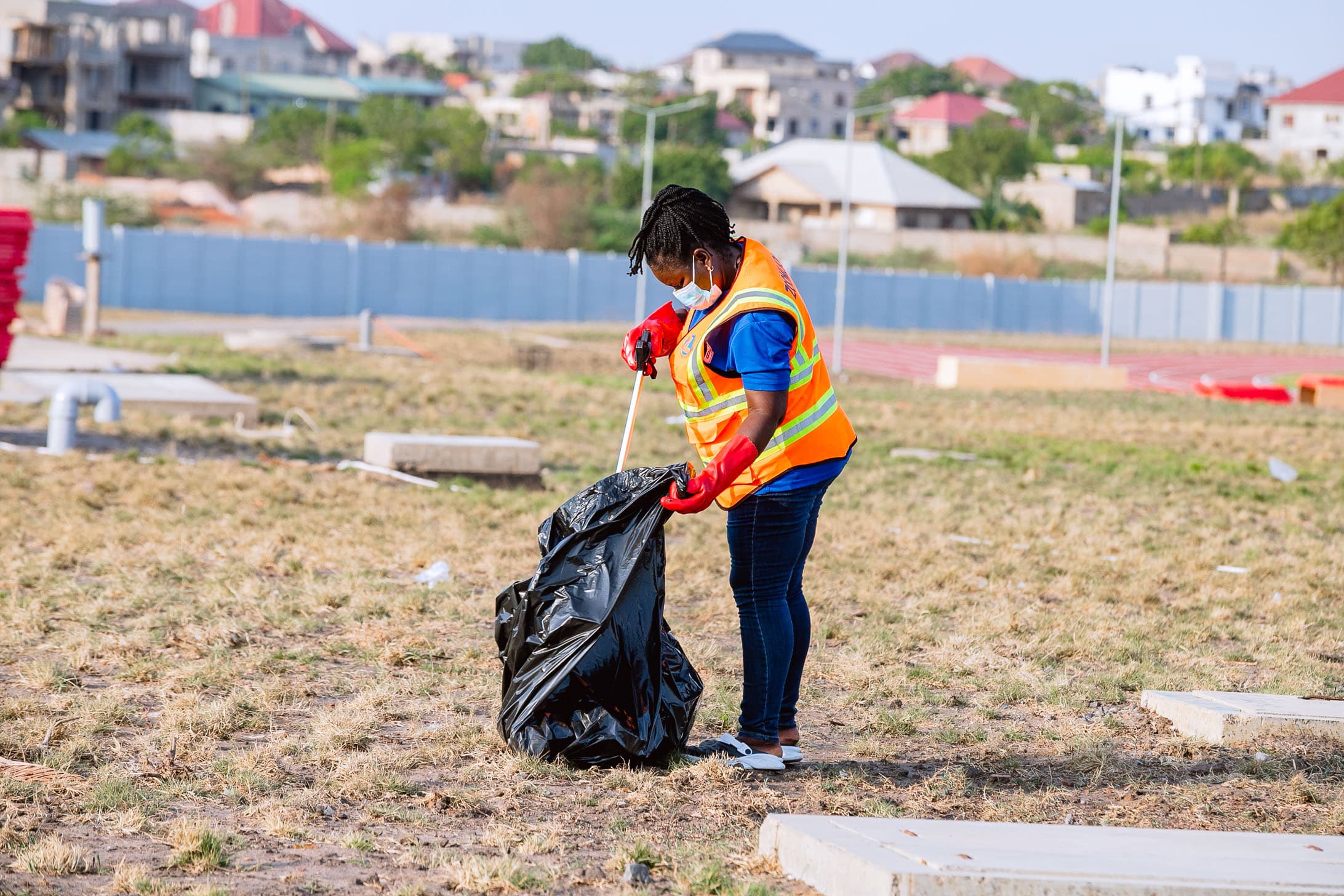
Waste begins at home.
Every meal prepared, product purchased and package opened can generate waste. While professional waste-management services play an essential role in collecting and treating waste, households also have an important part to play.
The good news is that reducing household waste does not always require complicated changes.
Here are five practical steps families can take.
1. Buy Only What You Need
One of the simplest ways to reduce waste is to avoid generating unnecessary waste in the first place.
Before buying something, consider whether it is genuinely needed.
For food, planning meals and shopping with a list can help reduce unnecessary purchases. Food that is bought but never consumed eventually becomes waste.
The same principle applies to household products.
Buying thoughtfully can reduce both waste and unnecessary expenditure.
2. Reuse Items Where Possible
Not everything needs to be thrown away after one use.
Reusable shopping bags, containers and bottles can replace many disposable alternatives.
Some household items can also be repurposed.
Before throwing something away, ask whether it can be used for another purpose.
Reuse extends the useful life of products and reduces the amount of material entering the waste stream.
3. Separate Recyclable Materials
Some materials have value even after their original use.
Paper, cardboard, certain plastics, metals and other materials may be suitable for recycling depending on local collection systems.
Separating recyclable materials from other household waste can make recovery easier.
It also helps recycling businesses obtain cleaner and more usable materials.
4. Keep Waste Out of Drains
Drains are designed to carry water.
They are not waste-disposal systems.
Plastic bags, bottles, food waste and other rubbish can obstruct drainage channels.
During heavy rainfall, blocked drains can contribute to flooding and create additional sanitation problems.
Keeping waste away from drains is therefore a simple action that can benefit an entire community.
5. Use Proper Waste-Collection Services
Even when households reduce, reuse and recycle, some waste will still remain.
That waste should be stored properly and handed over through appropriate waste-collection systems.
Avoiding illegal dumping helps protect communities and the environment.
It also makes it easier for waste-management operators to collect and transport waste efficiently.
Small Actions Can Add Up
One household making these changes may seem insignificant.
But imagine thousands of households doing the same thing.
Reducing unnecessary purchases means less waste is generated.
Reusing products keeps materials in circulation.
Separating recyclables creates opportunities for recovery.
Keeping rubbish out of drains helps protect communities.
Responsible collection ensures that remaining waste reaches appropriate treatment or disposal facilities.
Together, these actions can make a meaningful difference.
Waste Reduction Is Everyone's Responsibility
Waste management is often described as a municipal or private-sector responsibility.
It is actually a shared responsibility.
Waste-management companies provide infrastructure and services.
Government establishes policies and standards.
Businesses can reduce the waste they generate.
Households can make responsible choices.
Schools and community organisations can educate the next generation.
Every part of the system matters.
Building Better Habits
The most effective environmental changes are often the ones that become everyday habits.
Carry a reusable bag.
Avoid unnecessary purchases.
Reuse containers.
Separate materials where possible.
Keep rubbish away from drains.
Use proper waste-collection services.
These actions may seem small, but collectively they contribute to cleaner communities.
A cleaner Ghana begins at home.